SUPERVISORS
The REMOD-HEALING network brings together leading scientists in wound healing, extracellular matrix, preclinical models of wounds and proteolysis research.
Our supervisors are experienced researchers from both academia and industry, committed to providing high-level scientific guidance, interdisciplinary collaboration, and career mentoring for the doctoral candidates. Together, they form an exceptional training environment combining expertise in proteomics, structural biology, biochemistry, and translational medicine.

MEET THE REMOD-HEALING SUPERVISORS
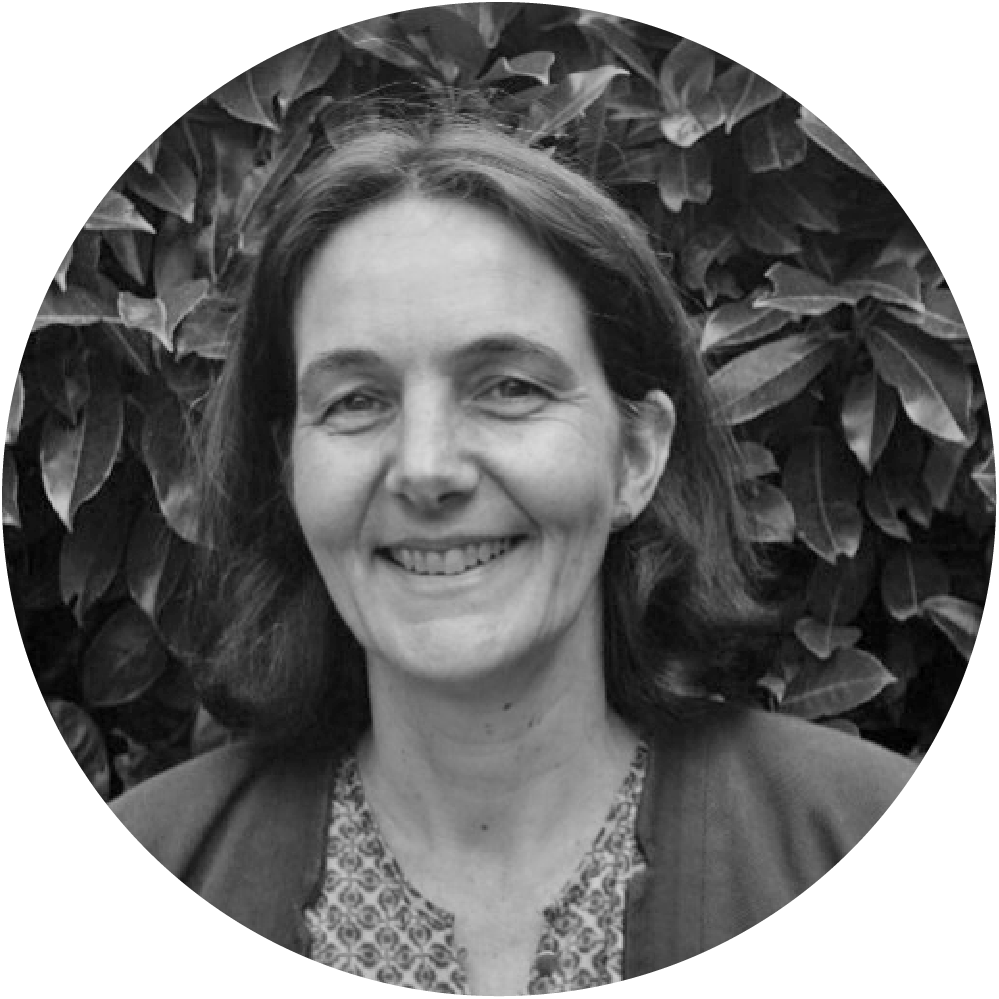
Catherine MOALI
Centre National de la Recherche Scientifique
| Catherine MOALI
Catherine Moali is a research director at CNRS and a group leader at the Tissue Biology and Therapeutic Engineering Laboratory (LBTI) in Lyon, France. She has a multidisciplinary background in chemistry and biology and obtained her PhD at Paris XI University (now Paris-Saclay), synthesizing inhibitors of arginases and NO synthases. She then moved to the Centre for Protein Engineering (CIP) at the University of Liege in Belgium for a post-doc where she studied several metallo-β-lactamases involved in antibiotic resistance.
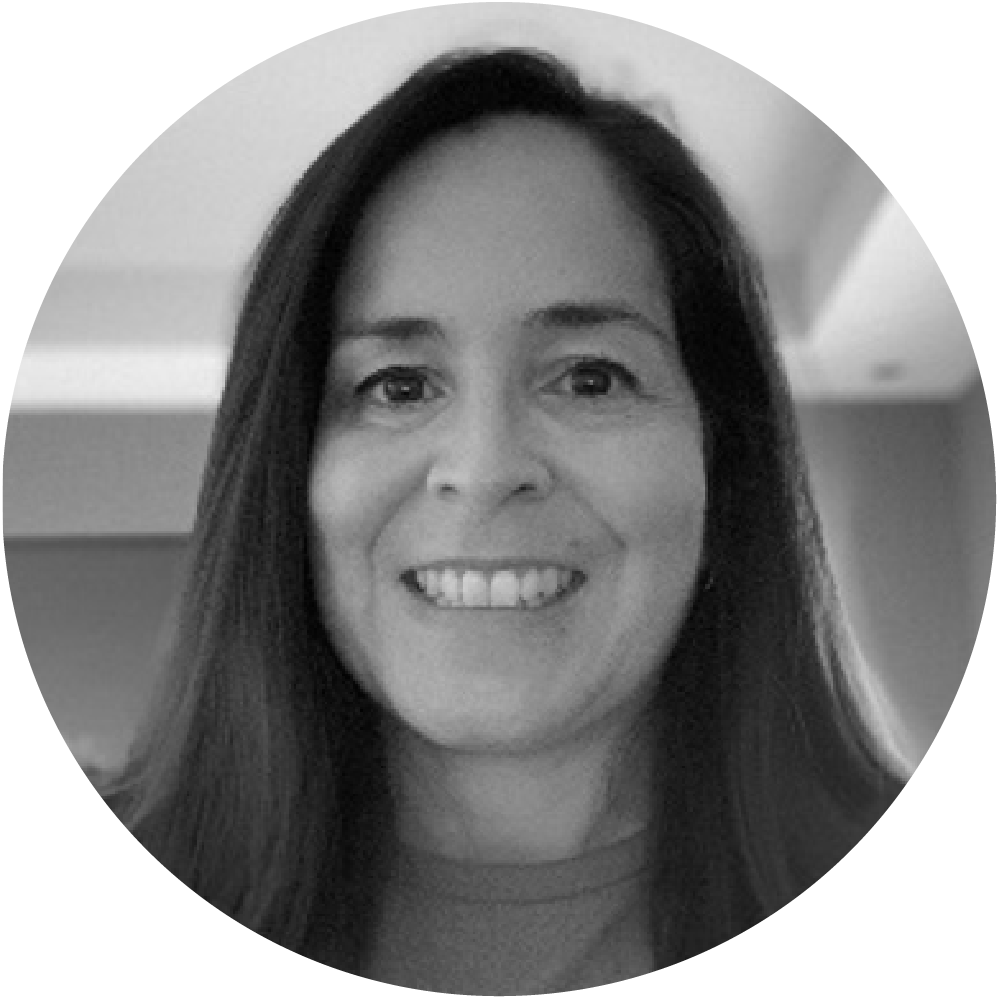
Teresa ESCALANTE
Instituto Clodomiro Picado –The University of Costa Rica (UCR)
| Teresa ESCALANTE
Some of her studies have contributed to the understanding of the mechanism of action of SVMPs by analyzing the alterations induced by these toxins on microvessels, skin, and muscle extracellular matrix through immunochemical and proteomic approaches. She has also studied synthetic inhibitors of SVMPs as potential therapeutic alternatives to complement the antivenom serum therapy and reduce the sequelae of snakebite victims. More recently, her projects have aimed at understanding and improving the process of tissue regeneration following venom-induced local injury.
The Medical Center – University of Freiburg
| Alexander NYSTRÖM
Alexander Nyström earned his Ph.D. at Lund University, Sweden, studying laminins in genetic and acquired diseases. His postdoctoral training was with Dr. Renato Iozzo at Thomas Jefferson University, focusing on proteoglycans. He later joined the Department of Dermatology at the University of Freiburg, where he deepened his focus on skin biology and ECM pathologies. Since 2013, he has led an independent research group within the department.
The primary research focus of A. Nyström’s group is extracellular matrix (ECM) biology, particularly the roles of collagens in skin homeostasis, chronic wounds, fibrosis, and cancer. They aim to bridge fundamental ECM biology with translational approaches to therapy. Toward this end, they explore ECM dysregulation across tissues, including in genetic diseases such as dystrophic epidermolysis bullosa (DEB), which is caused by type VII collagen deficiency. A key aim is to develop causative and symptom-relief therapies for DEB, with broader applications in wound-healing disorders.
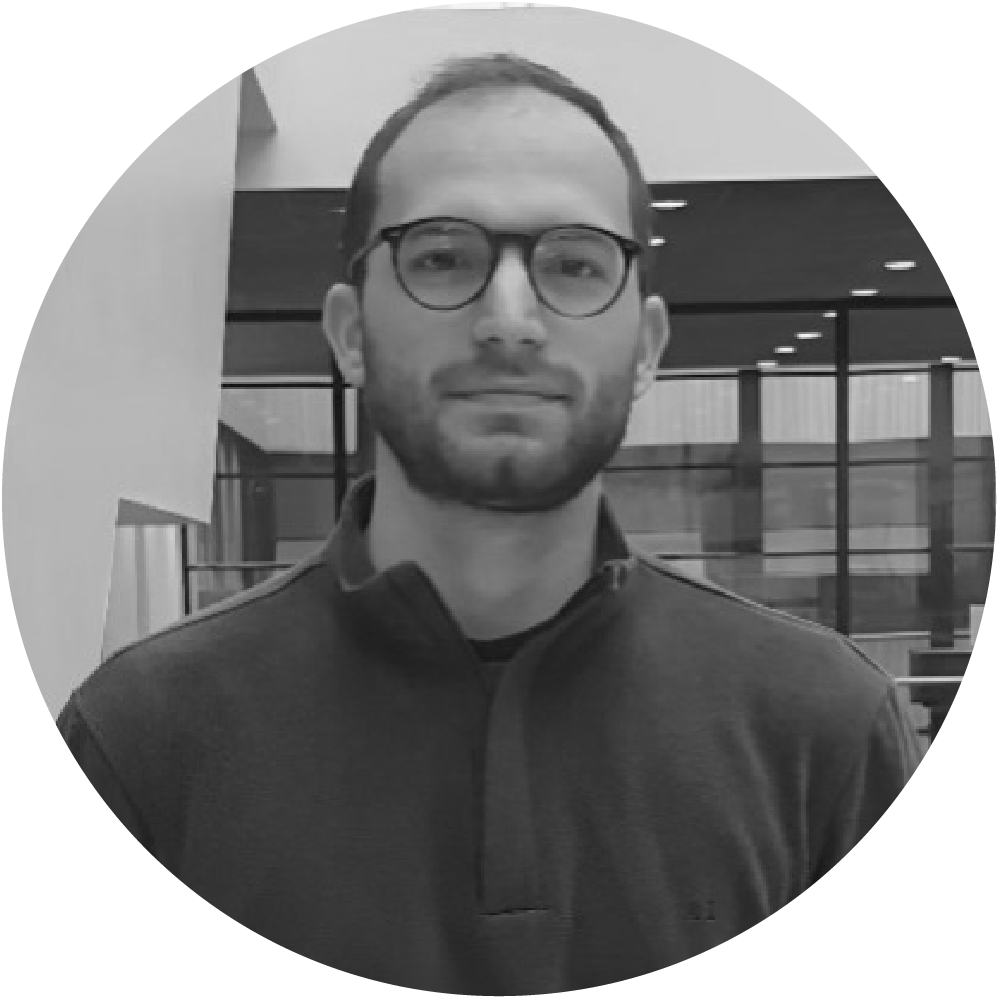
Konstantinos KALOGEROPOULOS
The Technical University of Denmark (DTU)
| Konstantinos KALOGEROPOULOS
The Paris-Lodron-University of Salzburg (PLUS)
| Hans BRANDSTETTER
The Medical Center – University of Freiburg
| Oliver SCHILLING
Oliver Schilling is Professor of Translational Proteomics at the Institute of Surgical Pathology. His laboratory focuses on clinical proteomics, proteolytic signaling, and mass-spectrometry imaging, developing degradomics methods and computational workflows to map protease activity and ECM remodeling in disease.
A biologist by training, he previously led an independent group at Freiburg (from 2008), after postdoctoral work with Prof. C.M. Overall (University of British Columbia, Vancouver, Canada), and PhD studies at the European Molecular Biology Laboratory (EMBL). He heads the Proteomics Platform – Core Facility (ProtCF) supporting clinical and basic research and is spearheading the integration of mass-spectrometry based proteomics into the portfolio of molecular pathology.
Clair BALDOCK
The University of Manchester (UNIMAN)
| Clair BALDOCK
In 2007, Clair moved to a tenured position at the University of Manchester where her research group continues to focus on the extracellular matrix. Her research interests include the structure of matrix microfibrils, extracellular processing of matrix regulators and the extracellular regulation of growth factor signalling. Her lab uses a range of state-of the-art structural, cell biological and biochemical approaches including cryo-electron microscopy and small angle X-ray scattering. Recently, her team has determined the structures of collagen VI and fibrillin microfibrils from mammalian tissues using cryo-electron microscopy to reveal the consequences of pathogenic mutations.
The University of Münster
| Johannes A. EBLE
The University of Liège
| Mireille DUMOULIN
Mireille Dumoulin earned her PhD in Biochemistry at the University of Kyoto (Japan). She has over 25 years of pioneering research experience on camelid single-domain antibody fragments (VHHs, also known as Nanobodies® or Nano-antibodies). Her postdoctoral work at the University of Liège revealed the remarkable stability of Nano-antibodies and contributed to engineering strategies that further enhanced their robustness. During her postdoctoral fellowship at the University of Cambridge (UK), she used Nano-antibodies to elucidate the molecular mechanism of amyloid fibril formation by human lysozyme.
Politechnika Wrocławska (PWR)
| Paulina KASPERKIEWICZ-WASILEWSKA
Paulina Kasperkiewicz-Wasilewska (Kasperkiewicz), PhD, DSc, Eng. is a Professor at the Faculty of Chemistry, Wrocław University of Science and Technology, Division of Bioorganic Chemistry. She obtained her MSc in Chemistry in 2010, followed by a PhD with honors in 2014, and received her habilitation in 2023. Her scientific career has been enriched by international research stays, including at the Sanford Burnham Prebys Medical Discovery Institute in La Jolla, USA, under the supervision of Prof. Guy Salvesen, and at the University of Cambridge in the laboratory of Prof. James Huntington.
Her research focuses on chemical biology and bioorganic chemistry, with particular expertise in the design of selective inhibitors, substrates, and activity-based probes for proteases, especially serine proteases. She is passionate about immune system cells, particularly neutrophils, and investigates their heterogeneity. She has successfully led multiple competitive research projects funded by the National Science Centre (NCN) and the Foundation for Polish Science (FNP), addressing protease function in inflammation, cancer biology, immune responses, and infectious diseases. Prof. Kasperkiewicz has authored more than 40 peer-reviewed publications in high-impact journals, and her work has been cited over 1000 times, with an h-index of 22.
She has been repeatedly recognized for her contributions to science, receiving the prestigious L’Oréal-UNESCO Fellowship “For Women in Science” (2018), the Silver Cross of Merit awarded by the President of Poland (2020), and several Rector’s Awards from Wrocław University of Science and Technology, the START scholarship from the Foundation for Polish Science, and has presented her work at more than 40 national and international conferences. In 2023, her research was highlighted on the front page of Cell Chemical Biology. In 2024, she was awarded the Polish Chemical Society Prize for outstanding scientific achievements. Her expertise spans biochemistry, enzymology, and peptide chemistry, including advanced methods for enzyme imaging, microscopy, probe design and cells analysis. She is also a co-inventor on patent applications, reflecting her commitment to translational aspects of chemical biology. Through her innovative research, Prof. Kasperkiewicz contributes to advancing diagnostic and therapeutic strategies for diseases where proteases play a crucial role.
MIMETAS
| Dorota KUREK
Dr. Dorota Kurek leads stem cell development at MIMETAS, where she has been part of the team since 2015. She obtained her PhD in Developmental Biology from Erasmus University in 2008 and subsequently worked as a postdoctoral researcher at Ghent University and Erasmus University from 2007 to 2014. Her academic research focused on the signalling pathways that regulate stem cell fate decisions.
At MIMETAS, Dr. Kurek serves as project leader for intestinal chip development and 3D tissue modelling using human (patient-derived) pluripotent stem cell and adult stem cell organoids. Together with her team, she successfully drives strategic, commercial, and grant-funded projects, and collaborates extensively with academic and industrial partners to advance organ-on-a-chip and stem cell technologies.
Nordic Bioscience
| Signe HOLM NIELSEN
The biomarkers are reflective of ECM biology and pathology, with emphasis on proteolytical fragments. Her favorite collagens are type VI and VII, due to their role in fibrotic and inflammatory skin diseases, such as Hidradenitis Suppurativa, Scleroderma, Atopic Dermatitis, and rare blistering diseases. She is a member of the European Academy of Dermatology & Venerology (EADV), American Society for Matrix Biology (ASMB), and International Society for Matrix Biology (ISMB), where she enjoys discussing scientific stories and sharing her experiences of working in both academia and the biotechnology and pharmaceuticals industry.
MEET THE DOCTORAL CANDIDATES